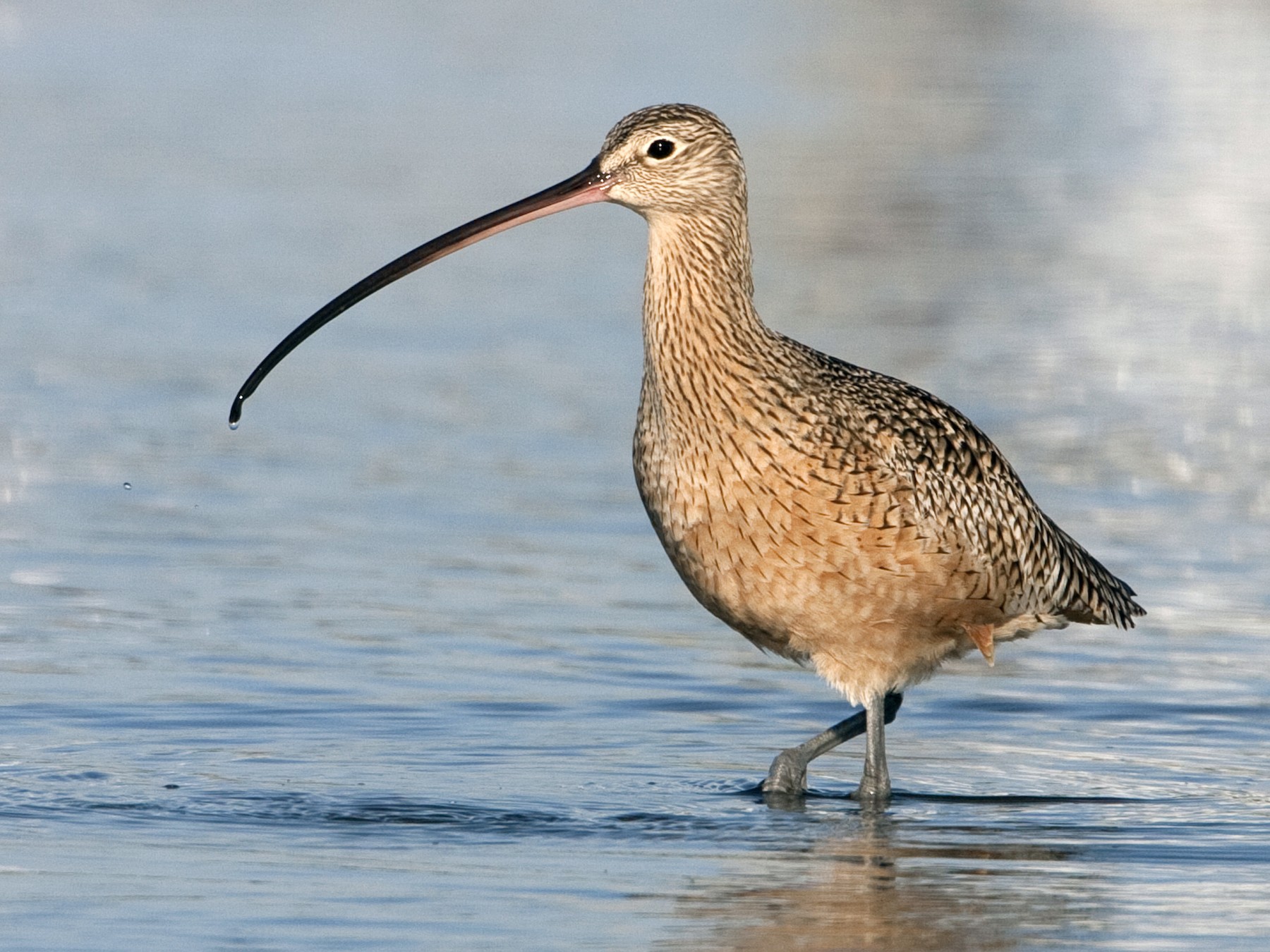
Bird beaks come in a wide range of shapes and sizes, from the petite to the preposterous. Well, sitting out there on the preposterous end of the spectrum is the Long-billed Curlew (Numenius americanus).
Check out that dang schnoz!
These little guys are shore birds. They spend their days wandering the tidal zone, using their exceptionally long beaks to probe the sand and mudflats in search of crabs and other small bugs that thought hiding underground would be a good survival strategy.
I mean … usually yes, but not today.
Their beaks can grow to over 20cm in length. When you’re only 60cm long yourself, having a beak that big can make you look a tad disproportional. While a long beak certainly comes in handy for finding food, it can make other things like preening a bit of hassle.
I just cannot reach that spot.
Now, that’s great and all, but Curlews have another feature that makes them extra special. And that brings us to today’s fun word: rhynchokinesis. You see, Curlew beaks just don’t open and close in the traditional manner, they actually have extra muscles and can control them more like a finger for added dexterity. What does this mean? Well, it means they can bend and flex them in different directions.
It’s kinda freaky right. They can flex their beak both inward and outward, almost like they’re yawning. Not every bird can do it. The ability is restricted to Shorebirds, Cranes and Hummingbirds. All birds with long beaks who prod and probe for a living. Because when you’re digging around in nooks and crannies you really want as much dexterity as possible.
Rhynchokinesis: from the Greek ‘rhyncho’ for beak and ‘kinesis’ for movement.
Welcome to a new year with new birds. To kick us off, I thought we’d spend a few weeks introducing you to some fun words unique to the ornithological world. But first, we should meet our bird, the Galah (Eolophus roseicapilla).
These little buggers will be a familiar sight to just about every Australian. With their pink plumes, playful crest and distinctive grey flanks, they’re hard to miss. The fact that they tend to pal around in large flocks (sometimes 1000 birds strong) and make a nuisance of themselves as they strut about on the ground, means they’re rather conspicuous.
While the word ‘galah’ has earned itself a place in the Australian vernacular as an insult for an annoying idiot, like all parrots, Galahs are fairly intelligent and inquisitive birds. They form strong pair bonds with their mates, and also play an important role in seed dispersal for many native plants.
Galahs gained some public favour last year when a picture emerged of a flock on a powerline maintaining social distance.
COVID-safe perching
Turns out that while they like to get about in flocks, during the non-breeding season they also like to keep their personal space before they pair up.
But we’re here to learn a fun word, and this week’s word is ‘zygodactyl‘. This word pops up all the time when it comes to describing a bird’s toes. You see, birds have a lot of different ways to arrange their toes. The most common is to have three toes pointing forward and one pointing back (Anisodactyl). But parrots are different, they go in for the two forward two backward arrangement.
This is known as being zygodactyl. Other birds like Woodpeckers, Cuckoos and Raptors also have this toe arrangement. When parrots combine their toes with their hooked beaks, it makes them ace climbers, and they’re great at scampering up vertical tree trunks and can even hang upside down, because why not.
So… to state the obvious, it’s kinda been the year from hell. But look on the bright side, it’s also been a year full of birds. Today we’re going to look back on a couple of the real winners from the last 12 months and then crown the Bird of the Year.
2020 started with the country on fire, and so we had a bird that has evolved to camouflage its eggs on fire scorched land, Temminck’s Courser.
Of course, some birds have a more cavalier approach when it comes to laying their eggs. Take the White Tern which can’t be bothered to make a nest and just lays its egg on a branch.
We learned all kinds of things. From that time the Australia Army lost a war against a mob of Emus.
And that blue feathers don’t have any pigment in them.
Were there Pigeons? Shut your face, of course there were pigeons. And they were all glorious!
It was also a big year for this humble email service as we finally got an online archive to house all our previous editions, as well as a platform for some longer form bird-based musings.
So that was the year that was. But before we get to 2021, we have to name our 2020 Bird of the Year. And after such a hard year, I think we can all agree that one bird was always there for us. There was one bird that made the whole thing bearable. When everything looked dark, it was the ray of light that dispelled the shadows.
That’s right, it was the California Quail, that rock star of a bird.
And yes, I know I’ve named it the Bird of the Year every year since 2017, but do me a favour, look at it for one moment, and then tell me there’s a better bird.
That’s right, there isn’t.
Once again, thank you for joining me on this … odd endeavour. I have many strange and stunning birds to share with you next year, so until then I wish you a joyous New Year from everyone at Bird of the Week.
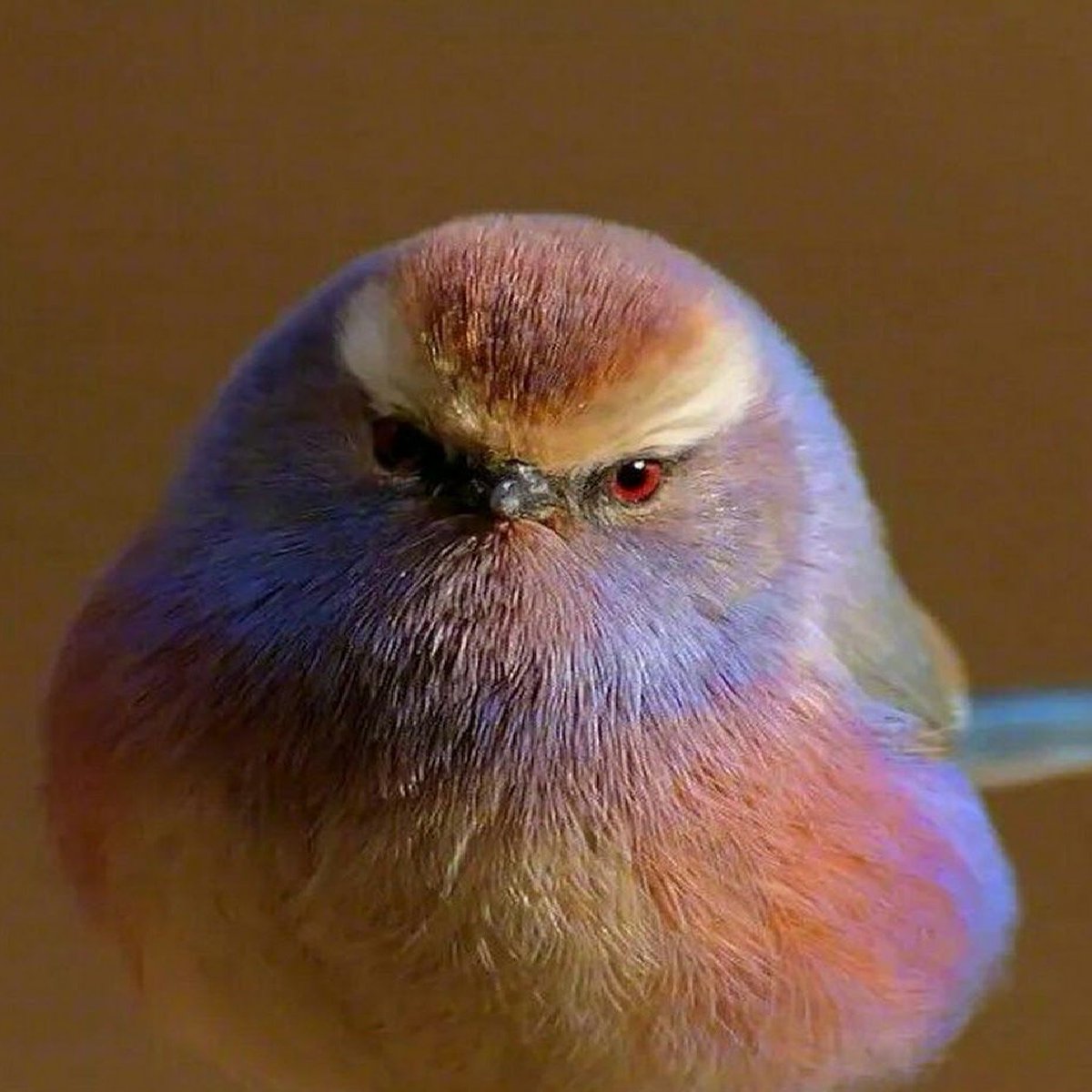
It’s the end of the year, so let’s go out with a pretty one. Meet the White-browed Tit-warbler (Leptopoecile sophiae).
There ain’t no doubt, this little fellow is a real looker. But what the heck is going on with that name? I’m sure you noticed this bird boasts a lot of colours. We’ve got pinks, lavenders, even a splash of orange. But surely, surely, your eye was drawn straight to those white brows. I can’t help feel they named it after its most unremarkable feature. Kinda like if you called a Flying Fish and Fin Fish.
And then, it’s also a Tit-warbler. So … is it a Tit or a Warbler? Turns out the whole ‘what even is a Warbler’ was a point of major ornithological tension for a long time. But the short story is that a Tit-warbler is its own thing… It’s a Tit-warbler.
Now, after years of being hounded by the paparazzi, these photogenic beauties decided to live in the most remote place they could find: the Himalayas and regions near Kashmir and Kazakhstan. So, you’re probably not going to come across one any time soon.
Since they’re such a rare and remote beauty, I’m just going to leave you with a colourful collage of these little guys doing their thing.
Is that the end of Bird of the Week for 2020? Not quite. As per tradition, we will be back on the 31st for a special edition to name the Bird of the Year, so be sure to stay tuned for that.
With the festive season upon us, I wanted to share the most holly-jolly bird I could find. And I think I nailed it:
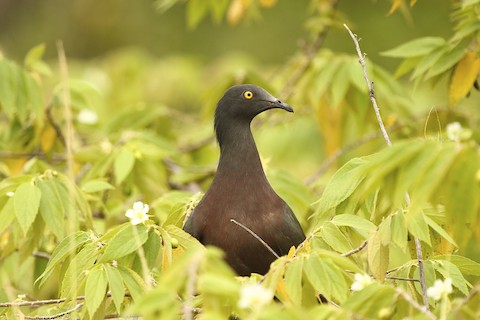
Look at this Pigeon, it’s got it all: jet-black plumes, intense eyes, strangely feathered legs, and a gluttonous desire for berries. I also enjoy the glint in its eye that says, ‘I will stab you in a back alley unless you hand over your bread crumbs.’
So, why is this Pigeon our Christmas bird of choice?
Well, aside from the obvious reasons I’ve already laid out, this is the Christmas Imperial Pigeon (Ducula whartoni). And these are two emperors waiting to ambush an unsuspecting passer-by to steal their pastry.
I think we can all agree, it just ain’t Christmas without a black (possibly murderous) Pigeon.
But where did they get their delightful name from? They were christened Christmas because of where they live: the North Pole. That may have been a lie. In truth, they come from Christmas Island. As for the Imperial part … well, they belong to a larger family of Pigeons known as Imperial Pigeons. Why they’re called that I don’t really know… Although their Latin name ‘ducula’ loosely translates to leader.
While they are restricted to one spit of land in the Indian Ocean, their population is fairly stable. They make for a common sight, getting about in the Christmas canopy where they gorge themselves on introduced Jamaican Cherries. And if there’s one thing we should do at Christmas, it’s gorge ourselves on as many cherries as possible. Let us follow the Pigeon’s example.
So, from all of my birds, to all of your birds, I wish you a very Merry Christmas.
Yankee Doodle went to town, riding on a pony, stuck a feather in his hat and called it macaroni…
What the heck is macaroni in this context? Is he talking about pasta? Is he saying the feather looks like macaroni? And why? Is this a thing? I have so many questions. Well, like all the world’s greatest mysterious, the answer lies with birds.
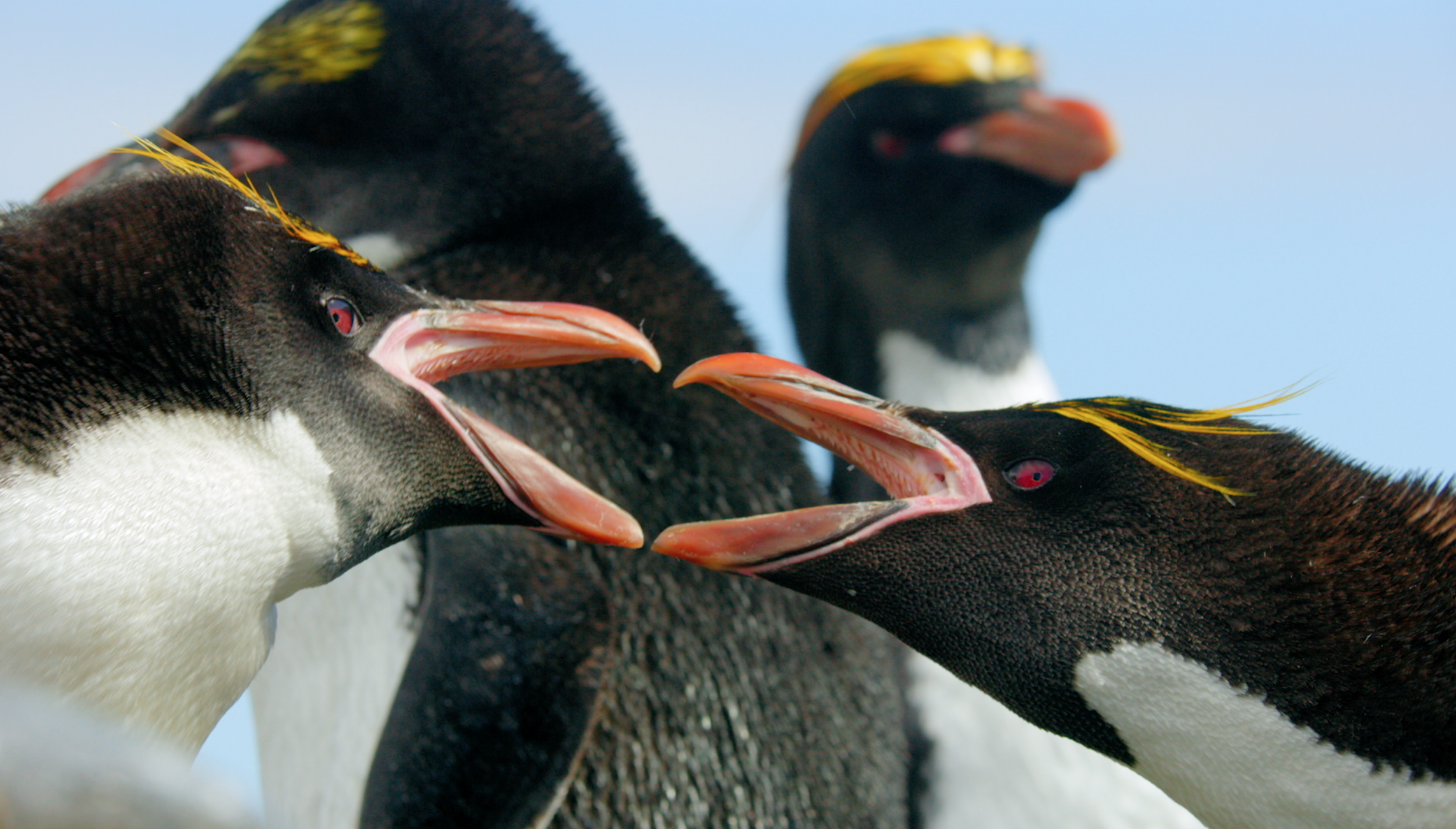
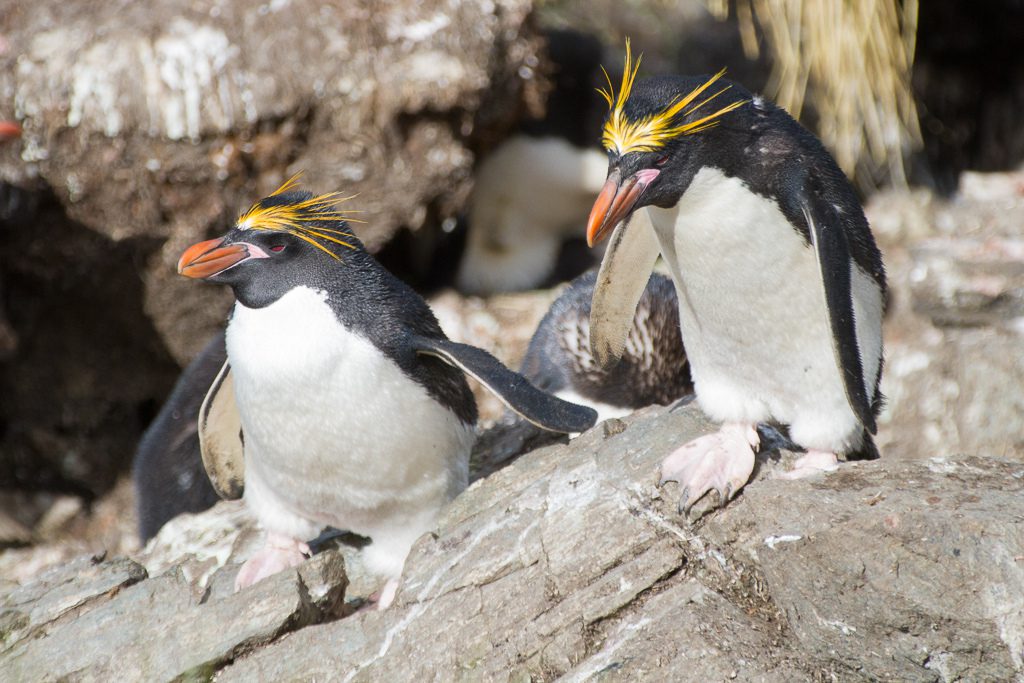
In the far-flung, frigid waters of the Southern Ocean, we will find the Macaroni Penguin (Eudyptes chrysolophus).
Ta-da!
Now, as you can tell by its impressive crest, these are Crested Penguins. They live on what I can only assume are the world’s most depressing islands. These spits of land are best described as grey, cloudy, windy, barren rocks off the coast of Antarctica. But hey, they seem to make a good living there, so it can’t be all bad.
Like most Penguins, they spend the majority of their time scooting about in the ocean hunting for food and they breed in large colonies on their barren rocks. Good times.
But I know what you’re all asking. Why macaroni? And sorry, I have to bust your bubble… It has nothing to do with pasta. Instead, it has to do with their fancy headwear. You see, back in the 18th century, macaronism was a fashion movement for men who wanted to dress and act in outlandish ways.
They basically had too much money on their hands, so naturally they decided to put on an affected behaviour, invested in the biggest wigs they could find, and generally act ridiculous. They seemed to go for a kind of androgynous aesthetic. I don’t think people cared for them. From what I can tell, they got mocked and satirized … a lot. And probably rightly so, what with their strange hunger for ever higher and fancier wigs.
The dandies were a later spin-off. They said yes to the excellent fashion and commitment to leisure, but no to the rest of their nonsense.
Anyway, when people came across this Penguin in the 1800s, they thought they were little fancy boys with their extravagant head plumes. Much like Yankee Doodle, it seemed as though they had stuck a feather in their hat and so they called them macaroni.
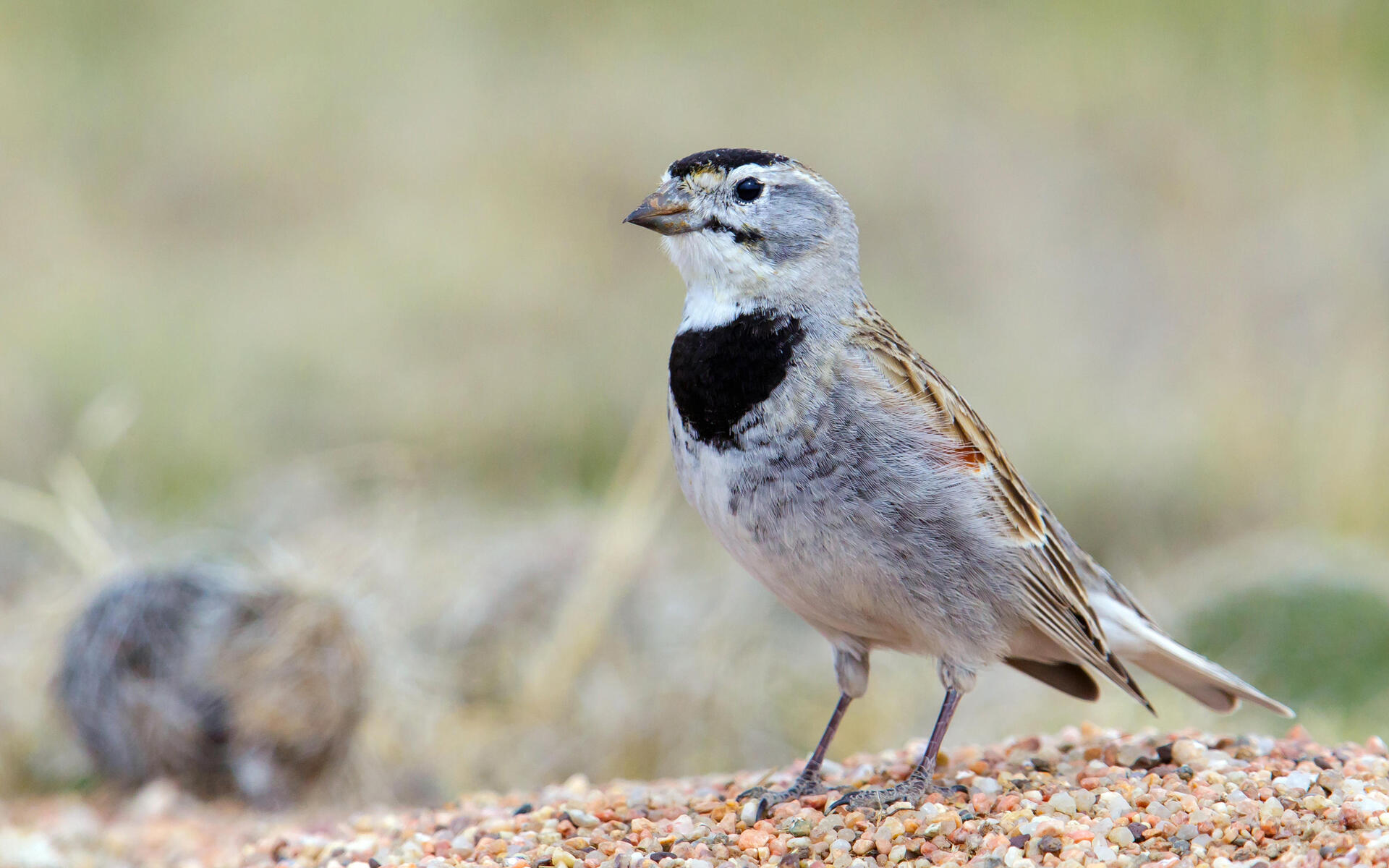
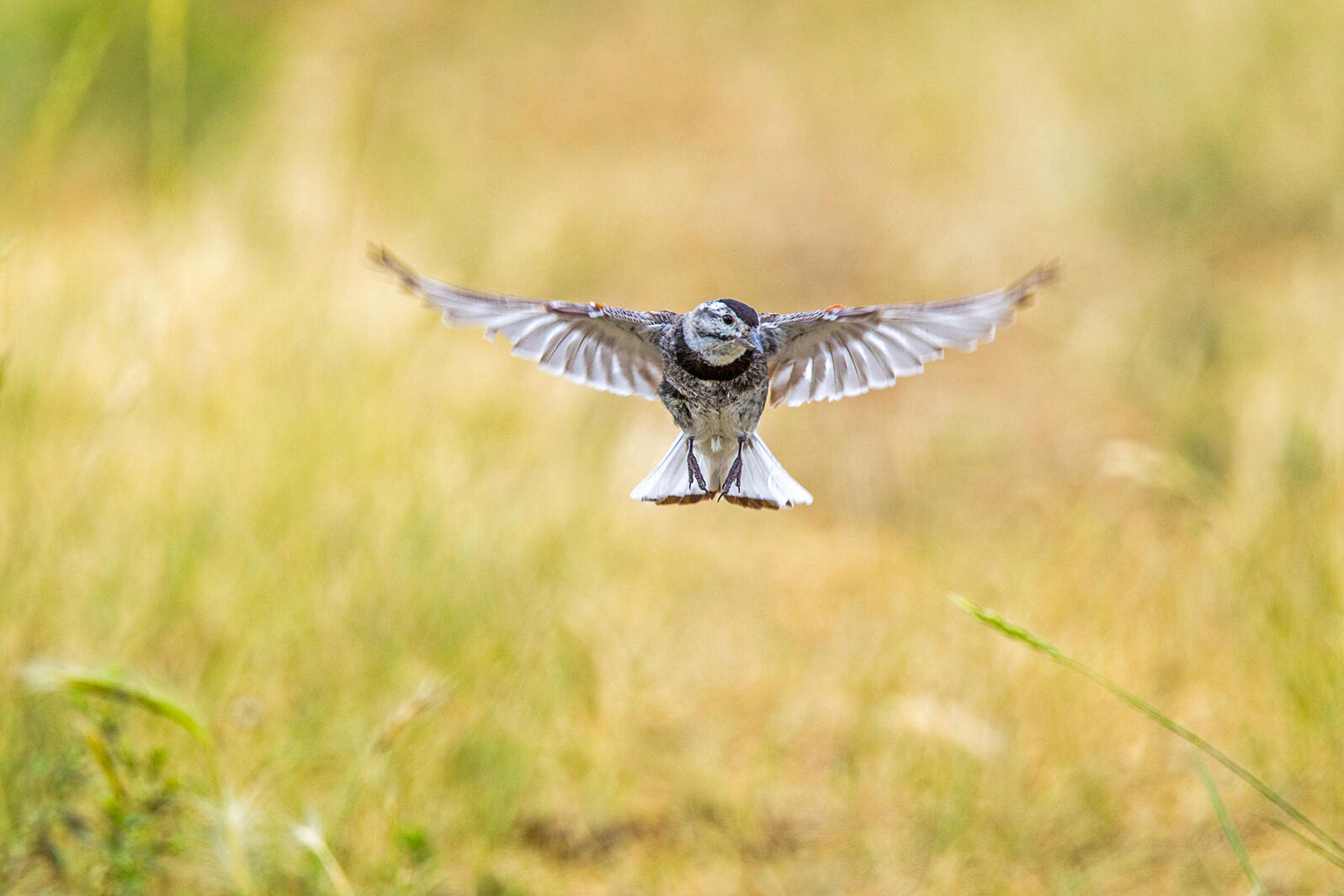
Today we’re going to meet possibly the dullest birds we’ve ever featured. The Thick-billed Longspur (Rhynchophanes mccownii).
I know what you’re thinking. This is a Sparrow. Well, you would be wrong, it’s a Thick-billed Longspur. And yes, they’re kinda related, but the Longspur belongs to the family Calcariidae whereas Sparrows belong to the family Passeridae. Like … it’s pretty obvious, guys. Look at them side by side and you’ll notice it straight away.
You see what I mean. The differences are so obvious and numerous I can’t even be bothered to point them out. Although the Longspur does have one thing the Sparrow doesn’t. And that’s its long spurs. Check it out.
They live on the American prairies. In an odd move for this type of bird, they nest on the ground, laying their eggs in little depressions. The males maintain a territory by performing aerial displays, where they fly up high and float back down while singing a song. I don’t know about you, but that would almost certainly entice me to hang around, but then I guess I’m not a rival Longspur.
So why has this little bird earned itself a week? Well, in 2020 these fine fellows gained a lot of attention because their name was changed from McCown’s Longspur to the Thick-billed Longspur after a long running, and sometimes controversial, battle.
So wait … there’s a way to get a bird’s name officially changed? How does that even work? Is there an official committee that looks after this sort of thing? Why would we have/need that? Also who is McCown and why do people not want his name on this bird? I have so many questions, because now I’m wondering how any bird gets named.
Well luckily I have the answers. If you’d like to know the whole story behind McCown/Thick-bill’s name and how the naming of birds even works, then follow me here and prepare yourself for the sometimes exciting, sometimes whimsical and sometimes bureaucratic world of bird naming.
The other day I was perusing the internet, the way one does, and I stumbled on a Twitter flame war centred around a bird. Oh yes, the birding community is nothing if not a passionate bunch. This particular stoush was focused on a little North American bird known as McCown’s Longspur.
I know, right. It screams controversy.
As you can see, it is a rather unremarkable looking bird. If I didn’t know any better, I’d probably think it was a run-of-the-mill Sparrow (indeed, they belong to the same Superfamily as the Sparrows – Passerida). To the trained eye, though, you will see they are more of slate grey with a black bib. And if you can get really close to their feet you will see their long spurs.
Check out those long spurs!
But that’s neither here nor there. What was the hubbub with McCown’s Longspur? Or rather, what was the hubbub with the Thick-billed Longspur? For you see, that was the problem. There was a petition in place to have its name changed.
This Sparrow-like bird has what is known in the ornithological biz as an honorific name. That is, it is named after a person. In this case, one John P. McCown (1815-1879). Back in the good old days of the 1850s, our friend Johnny P was manifesting destiny, pushing the boundaries of the fledgling United States further westward. While out on the prairie one day he shot an innocent looking bird he’d never seen before. So, he popped it in an envelope and mailed it back east to his friend, George Lawrence, who confirmed that it was new to science. For his troubles, McCown got his name forever affixed to this little bird.
Normally, that would be the end of the story. But about ten years later the United States needed a moment to work out if those states were going to stay united or not. That discussion turned into the Civil War. McCown, being a proud patriot, joined the Confederate Army and eventually served as a Major General.
By now you can probably guess where this is going. McCown has (had) the distinction of being the only Confederate officer to have a bird named after him. But, what with all the recent tension in the US around honouring Confederate figures, a concerted push was being made to get that perceived blemish off this bird. Predictably enough, there was some backlash, with people claiming it was yet another example of cancel culture and political correctness run amok.
Anyway that got me thinking. Just what is in a bird’s name? How are birds named and what do those names mean? First, you will be pleased to know that there is an official committee that takes care of these issues: the International Ornithologists’ Congress. They meet once every four years (kinda like the Olympics, only more bureaucratic) and they have the final say on what bird gets what name. Thank god a committee was created to take care of this, otherwise there would be literal chaos. People naming birds with wild abandon and flagrant disregard from common decency. They are the only thing standing between us and names like Birdie-McBirdface.
I know what you’re thinking. Do they have guidelines for naming birds? Do they ever! There are ten guidelines. I won’t go into them all (you can check them out here) but as an example of what they’ve got going on: names must be unique; each taxon must be known by one name and one name only; names should be as short as possible and only exceed four words (hyphenated or otherwise) in rare exceptions. Thrilling stuff I know. My favourite is that they don’t like using the word ‘island’ as part of a name, unless it helps to avoid confusion. One example of an exception is the Inaccessible Island Rail.
Lucky they clarified that island thing, or I’d be thinking about how to gain access to this Rail.
Anywho, I’ve done a bit of digging in my own files to try and find some patterns to bird nomenclature. And I’m pleased to report there is some logic to it. (Seems like the committee’s work is finally paying off.) For the most part, you can think of bird names as following a similar system to how our own names work. We have a family name and a first name. Nearly all birds are the same, they have two names: the first name is generally a descriptive word that describes an attribute the bird has, and their second name tells you what family they belong to. Let’s look at an example at random: the Crested Pigeon. From its name we should deduce that it belongs to the Pigeon family, and has a crest. And lo and behold, that is what we find. The system works.
It’s a pigeon with a crest!
Now, there are exceptions to every rule. Some birds only have one name, they’re the Chers of the bird world. And just like Cher, they’re rather rare. Even birds that you think only have one name usually have two. Names that might spring to mind (for us Australians) would be the Magpie or the Kookaburra. But officially, they are the Blue-winged or Laughing Kookaburra (that’s two different species), and the Australian Magpie. You’ll also note in the case of the Magpie we are given a geographical descriptor instead of a physical one.
Australian Magpie, from Australia.
But sometimes names can be misleading. Unfortunately, our Aussie Magpie doesn’t belong to the Magpie family. The Magpies that live in Europe and Asia are all Corvids, and our Magpie is a member of the family Artamidae (basically they’re just a big old Butcherbird). It has this misleading name because when Europeans first arrived in Australia they thought it looked similar to the Eurasian Magpie. The word ‘magpie’ does tell us something about its physical appearance though. To be ‘pied’ means that you’re a black and white animal, which the Australian Magpie most assuredly is. This name holds true for other birds like the Pied Butcherbird, the Pied Currawong and the Magpie-lark.
π!
Wait a second, I was supposed to be talking about birds that only have one name. Sorry, I got distracted…
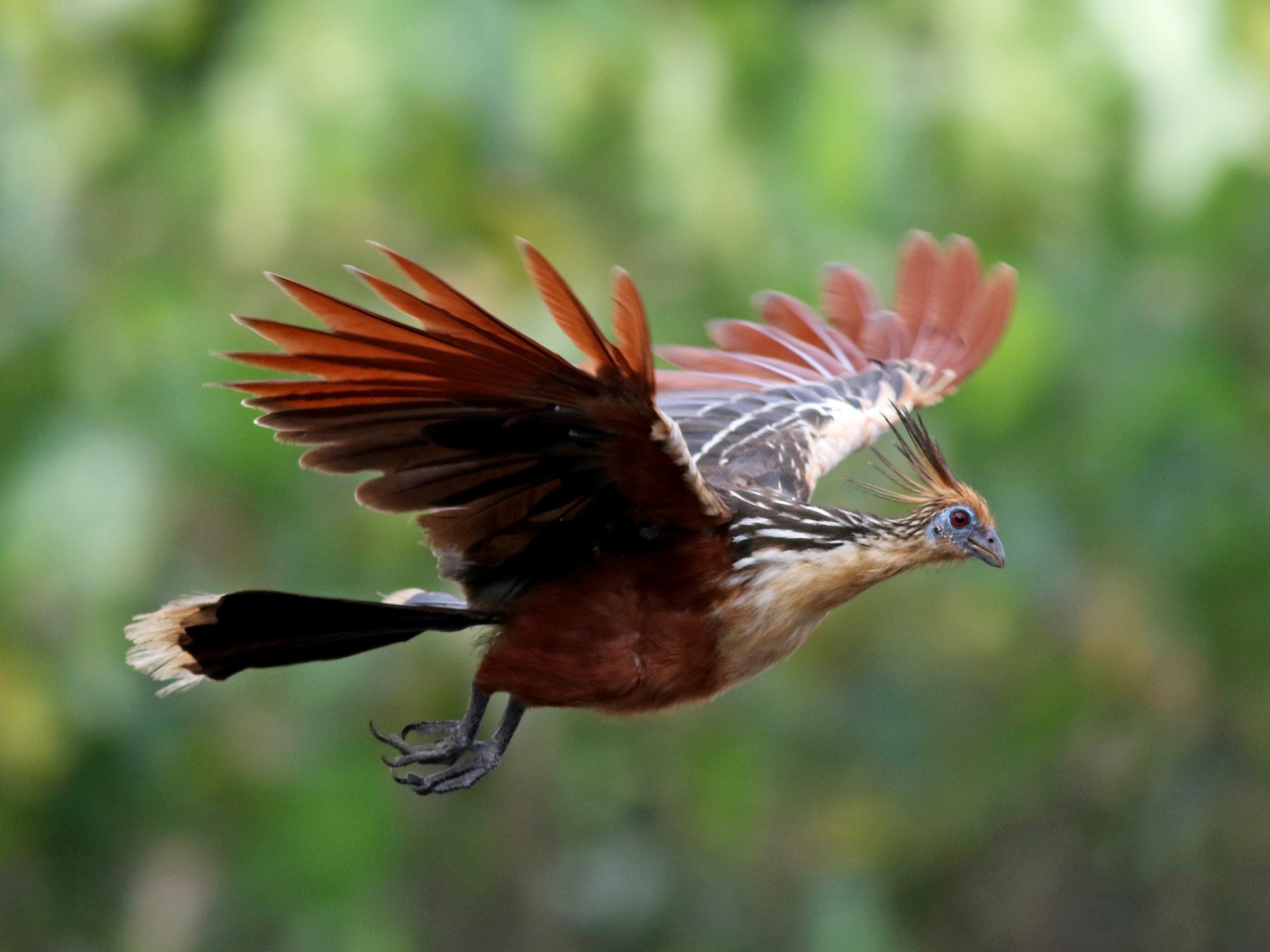
For the most part, birds that are only known by one name, tend to be known by their original indigenous name. In Australia, we have the Emu and Galah, both indigenous names. But the same is true for all sorts of birds. You’ve got the Kea and the Kakapo from New Zealand, the ‘I’iwi from Hawaii, or the Hoatzin from South America.
Of course, that doesn’t mean there aren’t birds that poo-poo the rules and you can wind up with some pretty kooky names. The Many-colored Rush Tyrant, for example, has one hell of a name. But to be fair, it does have many colours, it does live in rushes, and it is a member of the tyrant flycatcher family. Why are they called tyrants? We don’t have time to get into it, but trust me there is another really cool bird behind that story as well.
‘Look upon mine many colours and tremble’, sayeth the tyrant.
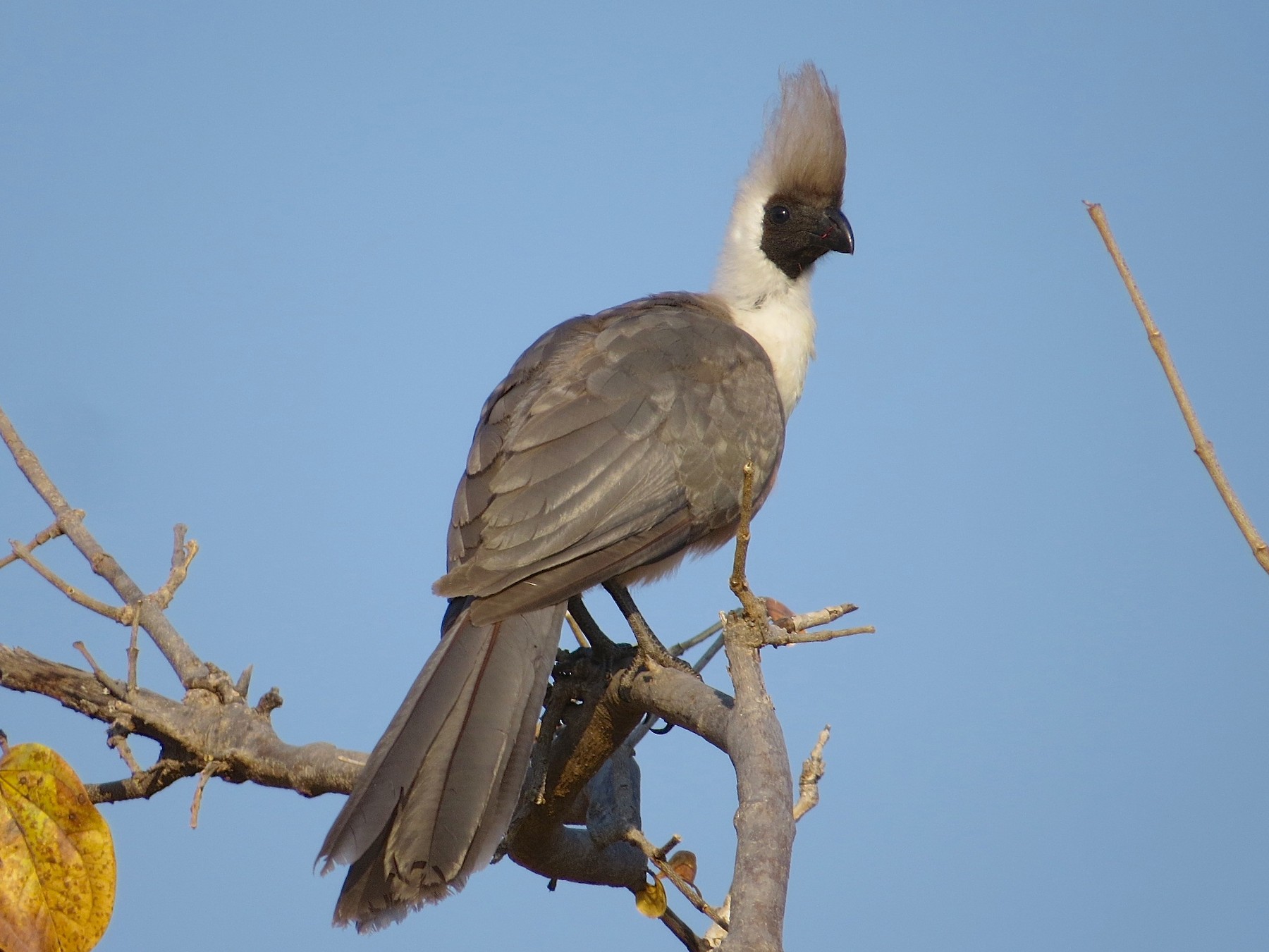
Meanwhile, the Bare-faced Go-away-bird has another great name, but again the same pattern holds. They don’t have any feathers on their face, and people are always telling them to go away. Actually, that part of their name is based on the call they make. It supposedly sounds like someone saying, ‘go away’.
Get outta here you bare-faced bird.
Many birds have names that are onomatopoeic. The obvious family are the Cuckoos, but two of my favourites are the Killdeer and the Jacky Winter.
Probably the most egregious act of false advertising, the Killdeer is more of a plover than it is a murderer of moose; and the Jacky Winter has nothing to do with the season or anyone named Jacky for that matter.
But then sometimes things can go awry. Take for instance, the Connecticut Warbler, which doesn’t live anywhere near Connecticut. It’s really more of a Canadian Warbler. Or the Olive Warbler, which has nothing to do with Olive (the colour or the plant) and isn’t even a Warbler, it’s actually a closer relative to the Finches. But then, the bird world is full of examples like this. Usually these issues pop up because of a misclassification at the time of discovery, and then the name just kinda sticks.
Well, if it isn’t my old friend the Orange Finch. Oh wait, sorry, the Olive Warbler.
Now, before we go any further, I can’t say another word about bird names without addressing the family of birds that has by far the most delightful names. The Hummingbirds. I don’t know who decided that they all needed to have whimsical magical names, but almost all of them do and I love it so much. Let me give you a rundown of some of the best:
Fiery Topaz
Minute Hermit
Sparkling Violetear
Horned Sungem
Purple-crowned Fairy
Green Mango
Amethyst-throated Sunangle
Butterfly Coquette
Long-tailed Sylph
Bearded Mountaineer
Glowing Puffleg
Shining Sunbeam
Little Woodstar
Lucifer Sheartail
Santa Marta Blossomcrown
Violet-capped Woodnymph
The list literally goes on. There are over 300 officially recognised species of Hummingbird and they all have amazing names. I don’t have anything more interesting to say about them, except that they’re excellent and now you know too. You’re welcome.
Of course, some of the most entertaining names are filthy ones. Birds certainly aren’t above having smutty names, and if we hunt around a little we can find plenty of Tits, Boobs and Cocks. The Brown Booby probably tops the list of boobs. Of course, the name has nothing to do with mammaries. Rather, it is generally believed that the name comes from the Spanish word ‘bobo’ meaning someone who is a fool. A reference to how easy it was for sailors to catch and eat these unsuspecting birds. Even today, if you call someone a boob, it means they’re being stupid or foolish. Ditto for the Great Tit, and all the other members of the Tit family. Their name comes from the Scandinavian word for Sparrow, titlingur. Of course, in America they’re sometimes called Chickadees, which in my opinion even more hilarious.
Here we see a Great Tit and a Blue Tit going to war over who has the right to sit atop the woodland’s fanciest mushroom.
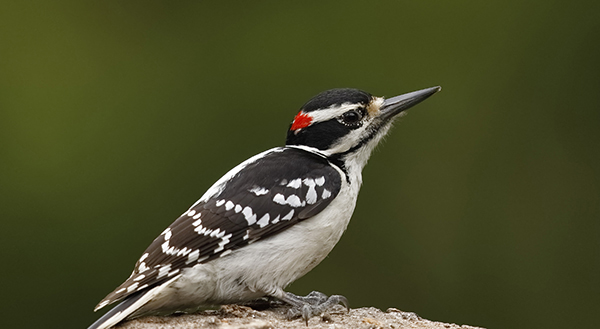
But the fun doesn’t stop there. You’ve got other instant winners, like the Cock-of-the-Rock, the Dickcissels, the Yellow-bellied Sapsucker and everyone’s favourite, the Hairy Woodpecker.
The Hairy Woodpecker. Of course, another misleading name as birds don’t have hair. They do peck wood, though.
But we have now gotten wayyy off track here. The point I really wanted to make was about honorific names and how they fit in with all the other silliness. I think we’ve covered off the silliness now, so let’s get back to business.
So, honorific names. Nearly all of them take the form “X’s bird-family”. For example, Bonaparte’s Gull, Lyall’s Wren, Abbott’s Booby, McCown’s Longspur. As always, there are exceptions, like the Victoria Crowned Pigeon, named after Queen Victoria, but lacking the possessive.
In recent years, there has been a growing tension in the birding world as to just how appropriate honorific names are. As you can imagine, nearly all of them are named for European men. For the most part, the bird in question was nearly always known by the local peoples before the colonising power arrived. Sometimes the bird is named after the person who found it, but sometimes they’re just named as a gesture of goodwill to some other guy. Take for example, Stresemann’s Bristlefront, named after German ornithologist Erwin Stresemann, not because he had anything to do with it, but because the guy who first described it liked Stresemann and thought he’s name should get hooked onto this bird. Sometimes, as is the case with many of the Birds-of-Paradise, they get named after a royal personage for no better reason than to suck up to the aristocracy. The King-of-Saxony Bird-of-Paradise is a case in point.
Its name is a right shame, because unless you already know about it you’ve got no chance at guessing that it’s one of the strangest looking birds that ever did live.
So, there’s a pretty strong argument that honorific names have had their day. They don’t describe the bird in any way, so they’re not helpful for identification. Sometimes they do hint to the bird’s history in natural science, but not always. And even when they do, often it’s hard to find out exactly who the person is that got their name affixed to the bird and why.
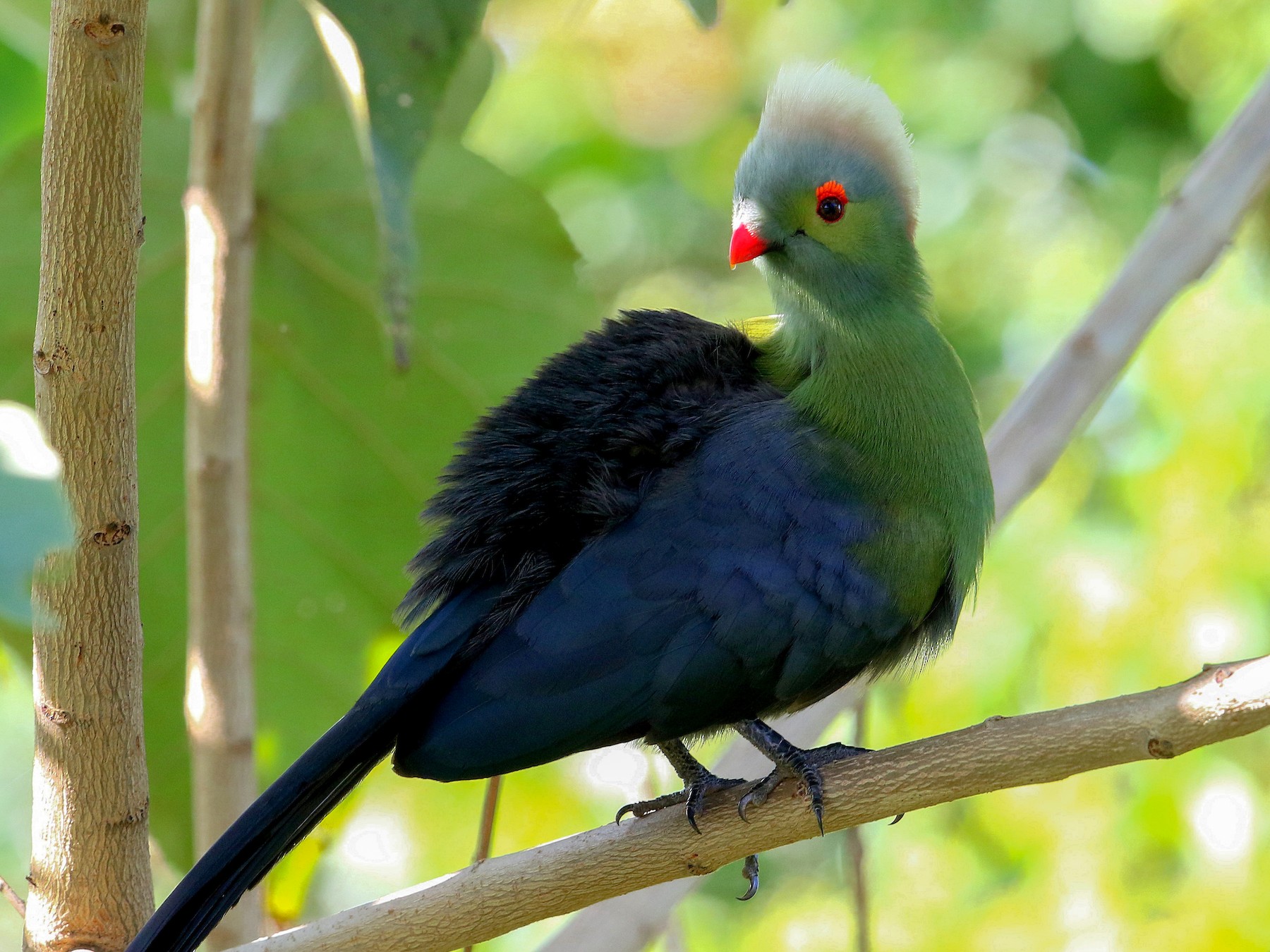
Then of course, there are birds like McCown’s Longspur, where the person being honoured is of dubious nature. Sadly, you don’t have to hunt for too long to find many other examples either. John Kirk Townsend, who has two birds named after him, Townsend’s Warbler and Townsend’s Solitaire, desecrated American Indian burial sites to collect their skulls. Major Charles Bendire, who served in the US Army and fought many battles against the American Indians, also has a Thrasher named after him. And then there’s Rosploi’s Turaco, a bird named after a dude who either robbed or murdered most of the indigenous peoples he ran into. Thankfully he was trampled to death by an elephant, so maybe there is still some justice left in the world.
An amazing bird named after a piece of trash human.
Turaco’s are amazing too, by the way. They’re the only birds that have a green pigment in their feathers. But first … you know … we got to side step the awkward person it’s named after.
I guess we can just be thankful there aren’t any birds named after Hitler. And I mean, I joke, but there is a beetle called Anophthalmus hitleri which is currently under threat of extinction because Hitler enthusiasts keep trying to collect it. What a world we live in! But birds, we’re talking about birds here.
Historically, attempts to change names have been met with stiff resistance from the official committee. A previous push to have the Inca Dove’s name changed failed. The Dove has no association with the former Inca Empire and doesn’t live anywhere near where the Empire used to exist. The guy who named it was just straight up ignorant of the native people and figured, “well you’re all basically the same, near enough is good enough.” That’s a direct quote by the way, no need to double check it.
The Inca Dove: has nothing to do with Incas.
The problem with the committee is … how should I say this … it has conservative views. From their perspective, even though the name is inaccurate, it is in common usage, it is the name people are familiar with, so in favour of maintaining stability and consistency they rejected the name change request. They have previously stated that their body does not exist to pass moral judgement on names, and if you make one exception then where will the line of acceptability get drawn. It’s a slippery slope, guys.
Look, when all is said and done, the birds don’t care what we call them. Gould’s Toucanet will keep doing its thing, whether this South American bird has the name of some English dude attached to it or not.
And just quietly, Gould’s Toucanet is a super cool looking bird.
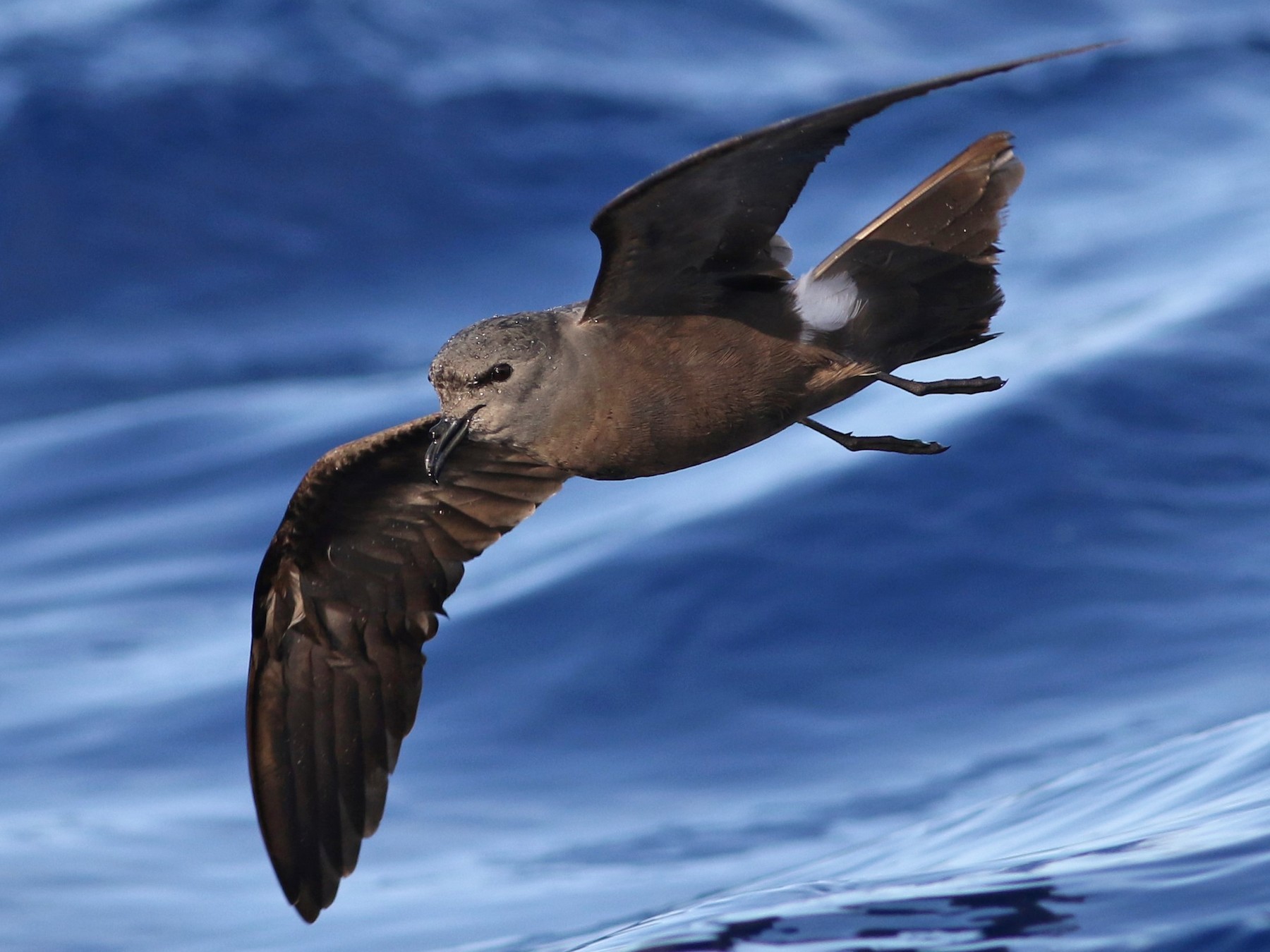
The real question, though, comes down to what we value. When we continue to have these names associated with these birds, we perpetuate the practice of honouring colonising powers in foreign lands. And that’s as a bare minimum, never mind if the person on the bird was actual trash as well. These names do nothing to help people better identify or learn about the birds, while casting a shadow that legitimises a problematic past. There is of course a place to learn about the history of natural science, but I don’t think having the name of a person on a bird even achieves that. Hell, I write about birds all the time and mostly I don’t even bother looking up who the person is. I still can’t tell you who the Leach of Leach’s Storm Petrel is.
Okay, I did look it up: William Elford Leach, who seems to have been a big deal as a marine biologist. Although I’m still unsure if he had anything to do with the bird…
But maybe times are shifting. The American Ornithological Society accepted the petition to have McCown’s Longspur’s name changed. Following this decision, the International Ornithological Congress agreed to also update the name. Now it is known as the Thick-billed Longspur. The history of how this bird was discovered isn’t going anywhere, but now we’re free to appreciate it on its own merits and not those of some long dead racist dude.
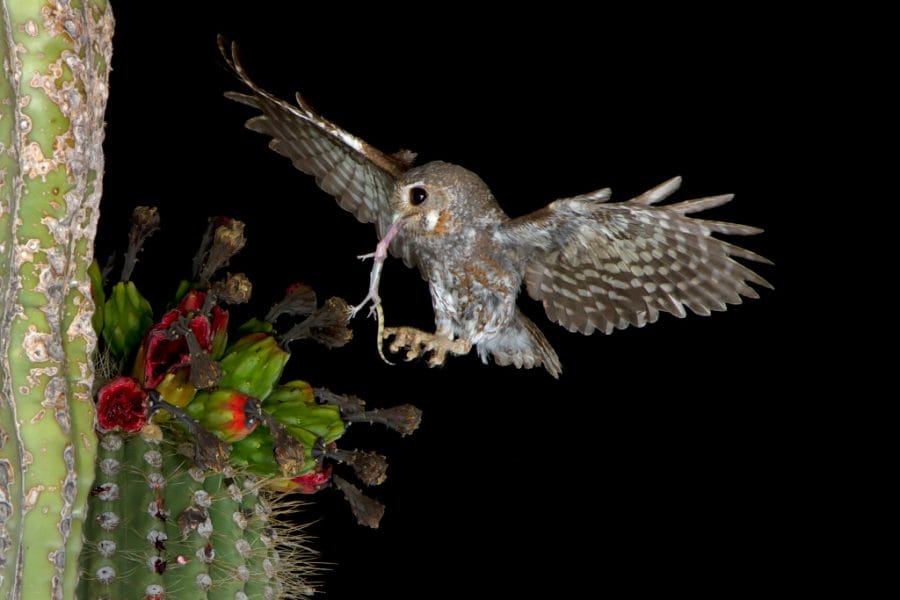
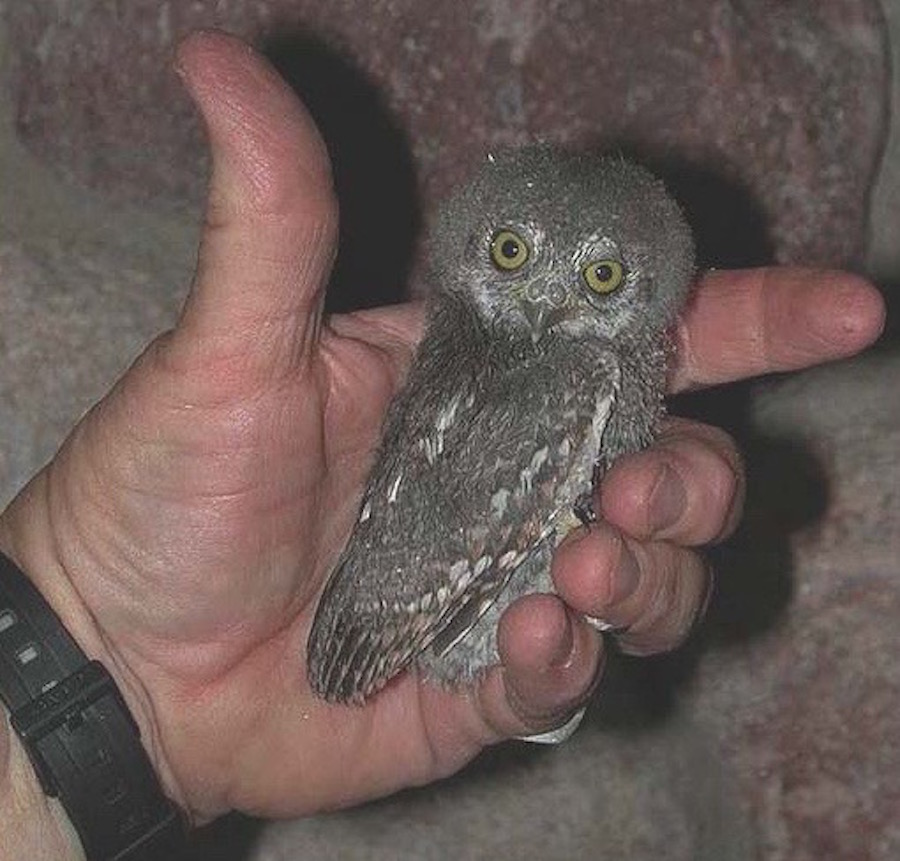
Here’s a question. How small can an Owl get? If you said, ‘hmmm about the size of an elf’, you would be right. Meet the Elf Owl (Micrathene whitneyi).
Just how wee be this bird? Well, on average they’re about 12cm in length and weigh 42 grams. Similar in size to a Sparrow. Here’s a picture of one using a mushroom as an umbrella so you can get an idea of just how hard it is for them to find reliable wet-weather rear.
I know, they’re impossibly cute. So how does the world’s tiniest Owl make a living? Mostly, they hang out in the desert near the US-Mexican border where they feed on insects. I mean … I get that they’re a predatory bird, but they aren’t taking anything down larger than a moth.
Like all Owls, they hunt using a combination of acute hearing and deadly stealth (if you’re a moth). They have wings nearly twice as wide as they are long, which means they can fly with minimal flapping.
When nesting they favour abandoned Woodpecker holes in cactus. And yes, they look just as cute, poking their little faces out of these holes.
Being so tiny, they sometimes become targets for bigger beasts looking for a quick feed. But they’ve got a couple of tricks to defend themselves. First, they have a deep call that sounds like it comes from a much larger animal. If that doesn’t work, they also have a habit of playing dead when caught in the hope of lulling their captors into a false sense of security.
They may be tiny, but they’re crafty. And that’s the story of the smallest Owl that ever did live.
It’s like each update they bring out gets smaller and smaller. An Owl that fits in the palm of your hand. What’ll they think of next?
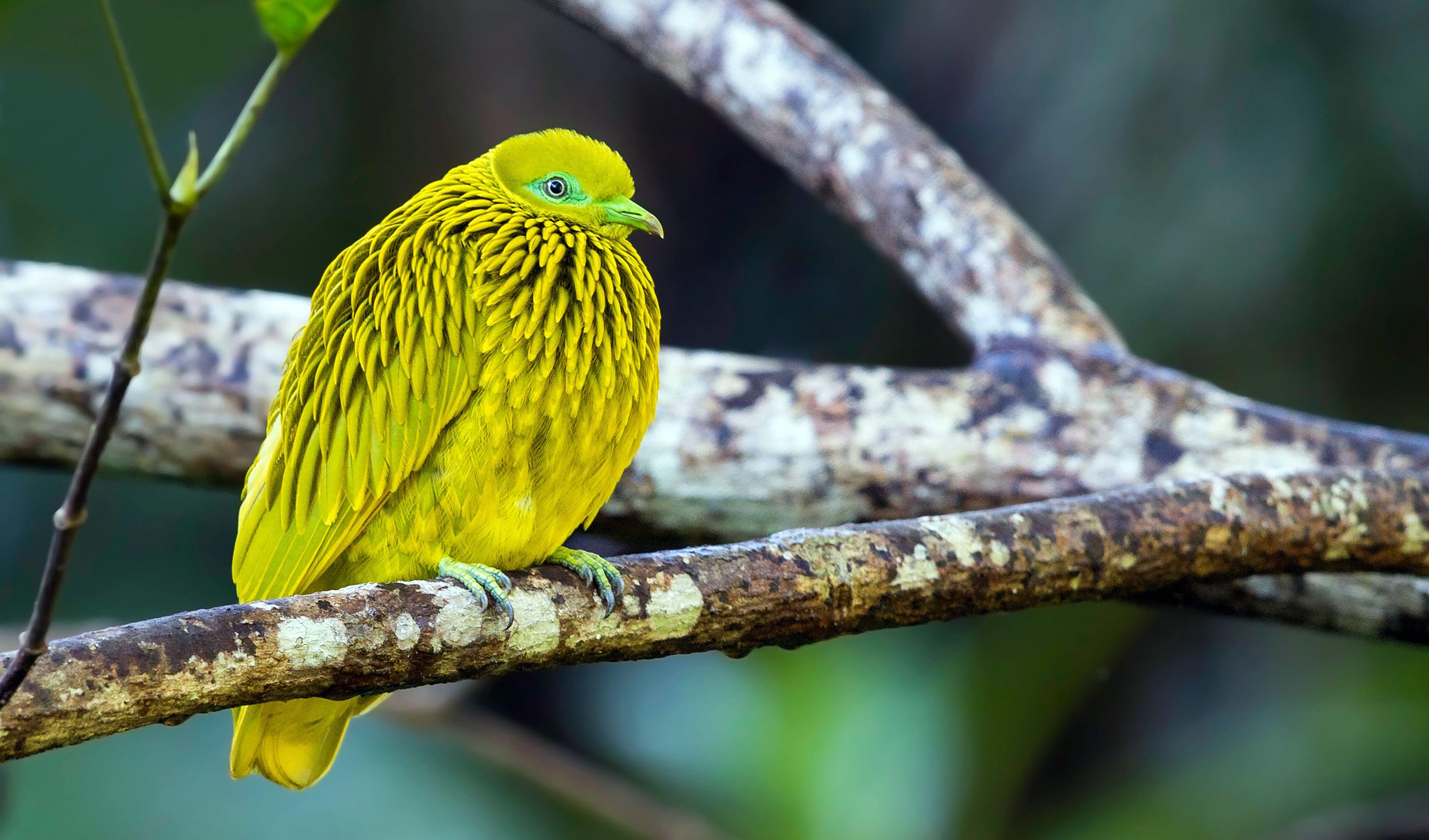
On the far-flung islands of the Pacific there is a little-known bird that rules over its tropical kingdom: the Golden Fruit Dove (Ptilinpus luteovirens).
If ever there was a bird that could be described as a golden glittering god, this is it.
They reign over the Fijian fruit trees. Other birds bring them homage of sugar cubes and cotton balls. Why do they want these things? Ours is not to wonder at the whims of the golden gods.
One needs only look on their sparking visage to know all is right in the world. They use their golden plumes to weave the fabric of their tropic island homes into existence. Each morning the sun’s rays rejuvenate their plumes so that through the night they may weave again. Day after day, year after year down the ages the pigeon gods have sustain their world and all who live in it.
Give praise, for we mere mortals are but the dust of pigeon dreams!
























 Bird of the Week