Today I’m announcing a change to your weekly bird.
The time has come to shift this publication from the public to the private sector. I’ve felt for a while that the bird is going so far beyond the original dozen friends it was made for that it’s probably a smidgen inappropriate that it keeps coming from my work email; up until now, though, my laziness has been too powerful an inertia to overcome. But no longer. Starting from next week the bird will come to you from a new address: weekly.bird@outlook.com. My staff have spent the last week running beta testing on the new service, so it should be a smooth transition.
The bird will also now arrive on a Sunday, so it should already be sitting in your inbox on Monday morning when you log on. It may now come from a different home, but otherwise the bird will remain the same sometimes factual(ish), sometimes humours(ish), freewheeling cavalcade of colour, feathers, and sometimes death it’s always been.
My thanks for reading and sharing, and I look forward to bringing you more birds in our rebirthed phoenixed version.
So now, let’s get down to the real reason why you’re here: Birds!
Specifically this bird: the Barn Owl (Tyto alba).
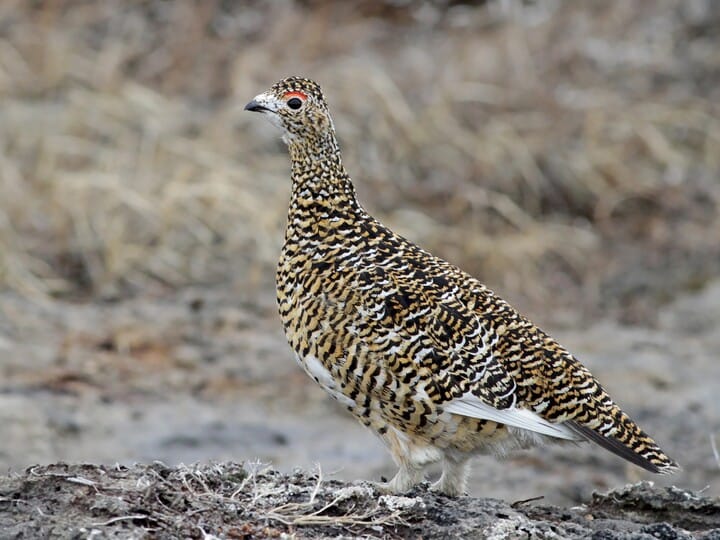
They’re an especially handsome bird, belonging to the order Strigiformes, along with some 200 other species of owl. Unduly famed for their intelligence, but rightly famed for their ability to murder. And let me tell you, these guys are built for death. They have a couple of interesting features which aid them in this endeavour, and much like our little friend the Ptarmigan from last week, it all comes down to the feathers.
First, you’ll note their sweet little faces. See how the feathers around their eyes look like wee satellite dishes. That’s no accident, much like a satellite dish, their facial feathers act to funnel faint sounds directly into their ears, so they can hear the slightest rustle, and then pounce.

Next, Barn owls make almost no sound as they fly, so the rustling of their own feathers won’t tip off any oblivious vermin. How do they do that? Along the leading edge of their wing are a series of tiny serrations that break up the air flow, reducing turbulence and noise.
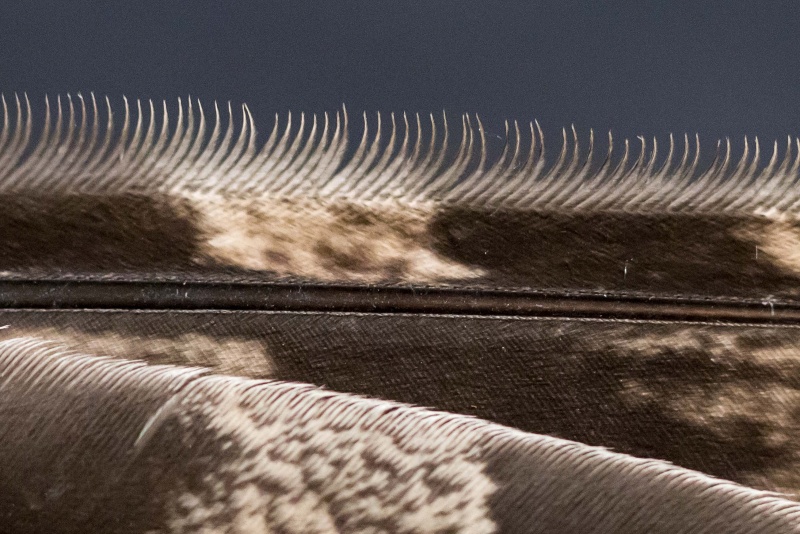
Testing has shown that this noise reduction design is most effective when the wing is at a steep angle, which would be when they want to come in to strike. Silent assassins of the night they are.

But there is one more cool thing about Barn Owl wings. If you have ever been to Japan and rode the bullet train, part of its design is based on their wings. You see, its designer, Eiji Nakatsu, was an avid bird watcher and in an attempt to increase speed and reduce noise he borrowed the owl wing design for the train’s pantograph, which it the bit that attaches the train to the overhead wires.

This kind of design is called biomimicry. And the owl is not the only bird to have lent its features to the train. What was the other bird?
Guess you’ll have to read next week. Or you could just google it, but where would the fun be in that?
10/12/2018











 Bird of the Week