Ah the Australia Day long weekend, and in true Bird of the Week fashion that means it’s time to feature the 2019 New Zealand bird of the year.
Of course, I can endorse no Bird of the Year that isn’t a California Quail, but hey, since we’re already here, lets take a little look.
This year our Kiwi cousins opted to honour a fellow flightless bird, the Yellow-eyed Penguin (Megadyptes antipodes)
So named because of the badass racing stripe they painted on their face (makes them swim faster).
These are one of the rarer penguins getting about, total population is estimated to be around 4000. They live primarily on out-lying islands off the southern tip of New Zealand, although they do have some colonies on the New Zealand mainland as well.

In recent years though, they’ve seen something of a major population decline after a disease spread through their ranks. The downward trend is a little alarming, and some predict that they could be extinct on the mainland within 20 years.
The Kiwis seem to like them though, as they also feature on their $5 bill.

But now, if I’m going to be honest, these little Penguins are more or less just an average, run of the mill Penguin.

But here’s my hot take. When it comes to protecting our environment it’s always the big impressive, beautiful, charismatic animals that get all the attention. Lions and tigers and panders oh my. But to have a healthy environment, a healthy planet, every animal, including the humble Penguin, deserves protection and deserves a safe place to live. New Zealand’s Bird of the Year has placed a light on an otherwise overlooked bird and that’s important.

Keep hanging in there little Penguin, we need you.
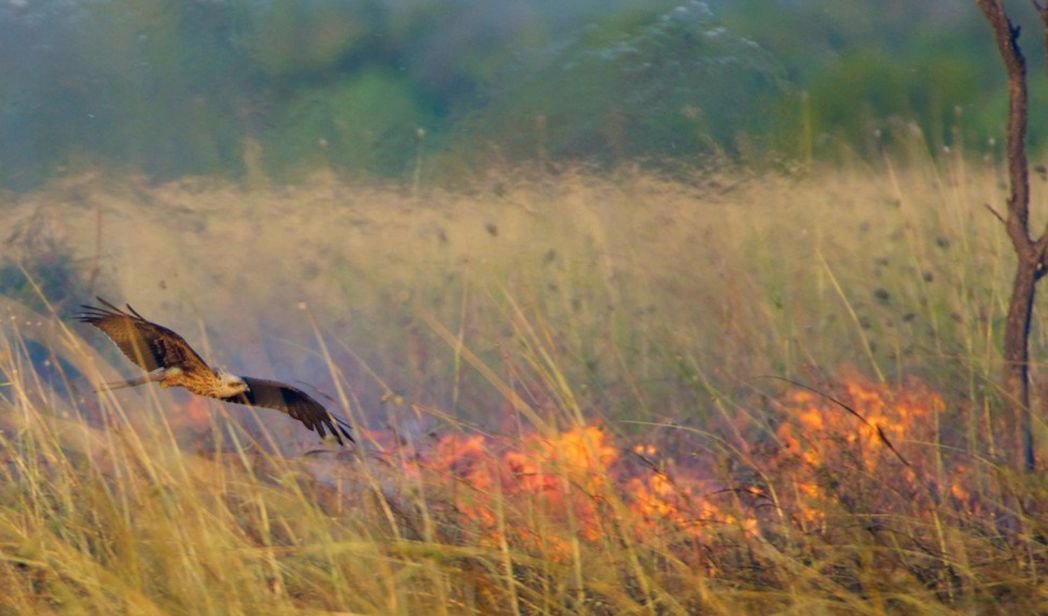
But of course, in Australia, we have just as much need to protect our birds. Now, more than ever. Recent reports have found that after the fires are out Australia’s threatened bird species list is likely in increase by 25% and will probably now include previously secure birds like the Lyre Bird. At least 19 bird species have had more than 50% of their habitat wiped out.
The goods news is as far as can be ascertained there is no bird that has had 100% of its habitat destroyed yet, so some hope remains for conservationists. If you’ve got a spare penny or two please consider giving BirdLife a helping hand.
The birds will thank you.
26/01/2020













 Bird of the Week