We’ve had a mouse, we’ve had a cat, so you know what comes next in the animal hierarchy. That’s right, the Atlantic Canary (Serinus canaria).

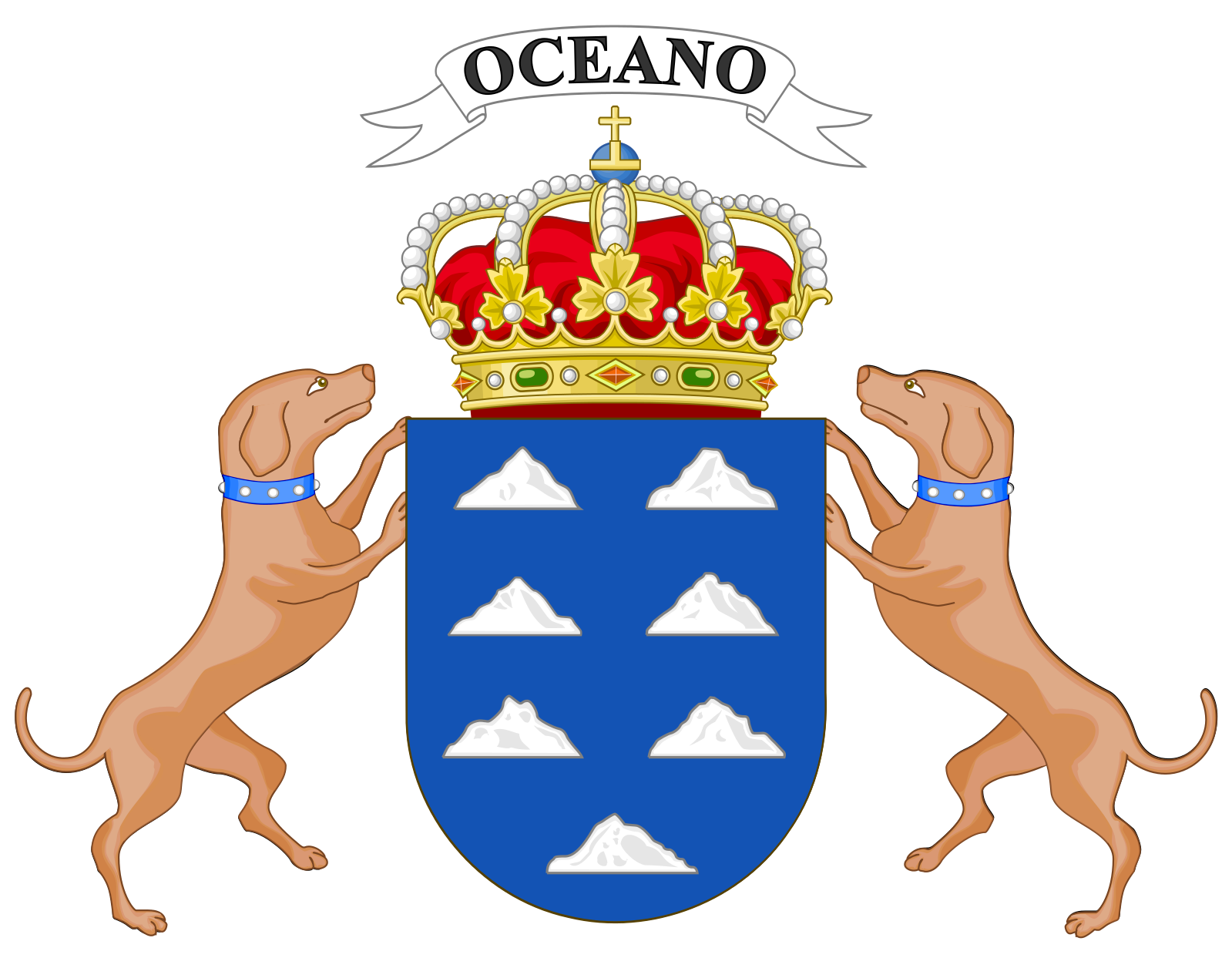
That may be a little unexpected, I hear you say. This is a small yellow finch, from a small African island … rather archipelago. We all know that Canaries come from the Canary Islands, but are the islands named after the bird, or is the bird named after the islands? Turns out the islands didn’t earn their name because they were full of birds, but because they were full of dogs. And you only have to consider the fact that the Latin for dog is ‘canine’ for the rest to fall into place. I mean, hell, they’re even on the coat of arms.
The birds are famed for their cheerful canary yellow colour and their equally delightful songs. The Spanish thought they were pretty fancy, so they brought them over to Europe in the 1600s where they quickly became a popular pet for the nobility. The Catholic Church saw the potential to really cash in on this. They set up a breeding racket where they only sold males, thus maintaining control on supply, and artificially inflating the price. Quite out of character for the Catholic Church if you ask me.
Of course, these days the Church’s strangle hold on the distribution of Canaries has been broken, and many fancy breeds are now sold. My favourite is the Gloster Canary, which looks like a homage to the early era Beatles.
/GettyImages-92779802-437a584389b6484c913971b87e7a3fe8.jpg)
Canaries were also famously used in coal mines, where they were sent into the tunnels to act as sentinels for toxic gases. The advantage here is that birds are more sensitive to small changes in air quality than mammals, which has to do with their different method of breathing. A bird’s flying muscles need a rich source of oxygen for optimal operation, and so birds developed a unique way to extract oxygen from the air. Their anatomy allows them to get one hit of oxygen when they inhale and a second when they exhale, because they can hold air in extra sacs in their lung. So, if there are any contaminants in the air the bird will be affected before people.

The practice of using Canaries in mines isn’t some ancient practice either. It was first adopted in 1895 and only phased out of English mines in 1986, when we decided that maybe it’d be better to use a detector rather than a poor little bird.
There are only two weeks left until we hit Bird of the Week 200, and so next week we’re going to have a look at a bird that is named after a different bird. Be sure to watch out for that.
11/07/2021






 Bird of the Week